
Philips CPAP Lawsuit
Millions of recalled Philips Respironics CPAP, BiPAP, and ventilator devices contain degrading foam that releases toxic particles and gases. If you used a recalled device and suffered serious health issues, you may be entitled to significant compensation.
Get A Free Case ReviewATTENTION: PHILIPS CPAP VICTIMS
If you or a loved one used a recalled Philips CPAP or BiPAP device and suffered serious health issues, you could be entitled to SIGNIFICANT compensation!
Consumers Injury Help offers a completely free case review. Philips knew about the foam degradation issue for years before issuing the recall. Time limits apply — find out if you qualify today.
Find Out if You Qualify
SIGNIFICANT Compensation May Be Available
LARGE SETTLEMENT AMOUNT
COULD BE CLAIMED

How do we help YOU?
Philips Respironics knew about the PE-PUR foam degradation issue for years before issuing the 2021 recall. Patients who used these devices inhaled toxic and potentially carcinogenic particles every night. Those who suffered serious health consequences deserve justice.
How does filing a claim work?
- 1. Fill out our simple form. Or call to make your claim immediately.
- 2. Get a FREE case review from our expert partners.
- 3. We fight on your behalf for the highest compensation possible.
- 4. Claim your settlement!
- Remember: you only pay if you get a settlement! Our service is totally RISK FREE.
Philips knew about the danger and delayed the recall — they must be held accountable.
In June 2021, Philips recalled millions of CPAP, BiPAP, and ventilator devices after the PE-PUR sound abatement foam inside was found to degrade, releasing toxic particles and gases directly into patients' airways. Philips faces allegations of negligence and fraud for continuing to sell devices it knew were dangerous.
What Is the Philips CPAP Lawsuit?
The Philips CPAP lawsuit involves legal claims filed by patients who used recalled Philips Respironics CPAP, BiPAP, and ventilator devices and subsequently developed serious health conditions. The PE-PUR foam inside these devices degrades over time, releasing toxic and potentially carcinogenic particles and gases that users inhale directly during sleep therapy.
Cases are consolidated in a Multi-District Litigation (MDL) in the Western District of Pennsylvania. Philips has reached a preliminary settlement agreement, though the claims process is ongoing for patients who developed serious illnesses.
Who Can File a Philips CPAP Lawsuit?
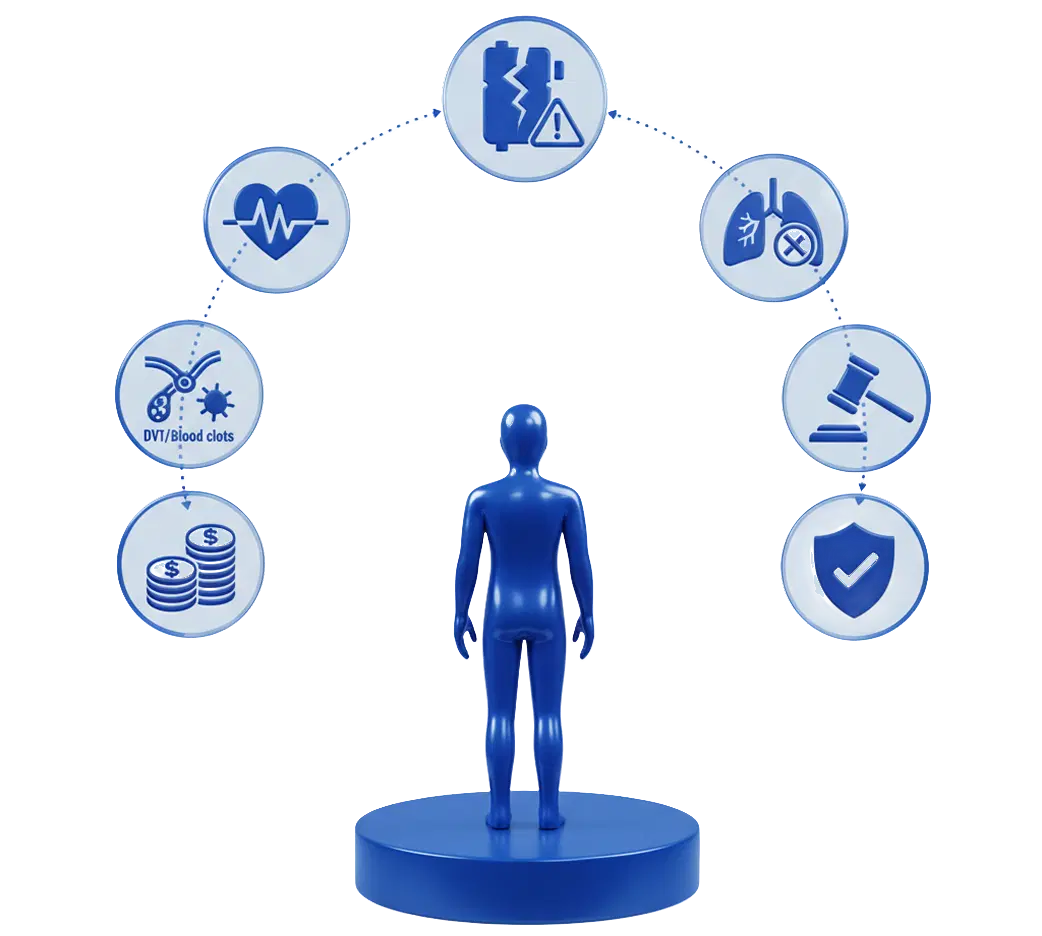
You may be eligible if you or a loved one used a recalled Philips Respironics device — particularly for 1 year or more — and subsequently developed lung cancer, nasal or sinus cancer, respiratory illness, COPD, pulmonary fibrosis, or other conditions linked to foam particle inhalation.
Did you use a recalled Philips device and suffer health issues?
Get A Free Case ReviewHealth Issues Linked to Recalled Philips Devices
- Lung cancer — from inhaling carcinogenic foam particles over extended use
- Nasal cavity, sinus, and throat cancers — linked to foam particle and gas exposure
- COPD and pulmonary fibrosis — chronic respiratory disease from repeated foam particle inhalation
- Pneumonitis and sarcoidosis — inflammatory lung conditions triggered by toxic particles
- Chronic respiratory symptoms — persistent coughing, chest tightness, headaches, and sinus irritation
Philips CPAP Recall & MDL Status
The recall covers millions of DreamStation, System One, and other Philips Respironics devices manufactured before April 2021. The MDL in Pennsylvania is progressing with Philips having reached a preliminary settlement agreement. Compensation may cover medical expenses, lost wages, pain and suffering, and wrongful death damages.
There is no upfront fee — attorneys work on a contingency basis, meaning you only pay if you receive a settlement. Act quickly as statutes of limitation apply.